Summary
Slowing down can mean pausing to choose your next activity deliberately, rather than assuming that moving faster is always the better approach.
Reduce the task list to important work, allocate time to individual tasks and use error checklists when reviewing what you have done.
Set boundaries around notifications and take breaks from the usual work setting; deliberate pauses create opportunities to reconsider what deserves attention.
In this world where speed often equates with success, the notion that taking things slow can enhance productivity seems a bit far-fetched. However, this paradoxical concept is gaining traction in various fields, from business to personal development.
By redefining our relationship with time and understanding the value of a measured pace, we may realize that slowing down can lead to more meaningful, efficient, and sustainable productivity. Let’s explore the paradox of pace!
What Is The Paradox Of Pace?
The Paradox of Pace refers to the counterintuitive concept that “slow and steady” in various aspects of life and work can lead to more effective, efficient, and sustainable productivity instead of constantly operating at high speed.
This paradox challenges the conventional belief that faster is always better, particularly in a society that often equates speed with efficiency and success. Here’s a breakdown of the key elements of the Paradox of Pace.
Increased Efficiency through Deliberation: While it might seem that working faster leads to getting more done, the paradox suggests that a slower, more deliberate pace can increase efficiency. When people take the time to think things through, they often make fewer mistakes, requiring less time for corrections.
Improved Quality of Work: Rushing through tasks can lead to lower-quality outcomes. Individuals can pay more attention to detail by slowing down, leading to higher-quality work.
Enhanced Creativity and Innovation: A slower pace allows for more time to think creatively and explore different options. The pressure and stress of working quickly can stifle creative thinking, which often requires a relaxed and open mind.
Better Decision-Making: Fast decisions are not always the best ones. Slowing down allows for a more thorough analysis of options, leading to more informed and effective decision-making.
Reduced Burnout and Improved Well-being: Constantly operating at high speed can lead to burnout, stress, and decreased job satisfaction. A slower pace helps maintain mental and physical health, leading to sustained productivity over the long term.
Mindfulness and Presence: Slowing down allows individuals to be more present and mindful in their tasks, which improves focus and reduces distractions.
Long-Term Sustainability: A slower pace can be more sustainable in the long run. It avoids the pitfalls of the fast-paced approach, such as employee turnover due to burnout and the need for constant supervision and correction of hastily made errors.
Put simply, the Paradox of Pace suggests that there may be a greater value in taking a step back, reflecting, and approaching tasks more flexibly and thoughtfully. This approach can lead to better results and a more balanced and fulfilling life and work experience. Let’s take a look at some of the benefits of slowing down.
Benefits Of A Slow Pace
Did you know that adopting a slower pace has psychological and physiological impacts? They are profound and backed by various research and expert insights. Here’s a summary highlighting these effects:
Enhanced Decision-Making and Cognitive Function: According to Psychology Today, slowing down reduces stress and blood pressure, enhances decision-making capabilities, and restores emotional equilibrium. It also allows for a heightened sense of presence, making even ordinary moments feel extraordinary.
Value and Gracefulness in Living: A slower pace reflects our values, as rushing devalues our activities and relationships. Living gracefully, within flowing rhythms and at a human pace, allows time to respect the value of actions, care for others, and cherish possessions, which is impossible when life is frenetic and rushed.
Reduction of Cortisol Levels: A fast-paced lifestyle can increase cortisol levels, leading to high blood pressure, compromised immune functioning, depression, cognitive difficulties, loss of emotional control, fatigue, and other health issues. Conversely, slowing down can lower these detrimental effects.
Intentional Living and Sustainable Choices: The slow living movement, pioneered by Italian activist Carlo Petrini, promotes sustainable and intentional choices in daily life, from food consumption to environmental awareness. This approach encourages mindful decision-making, intentional thinking about consumption, and coping with personal burnout by promoting wellness in all aspects.
Connection and Awareness: Use a pause in your day to notice your surroundings and consider what needs your attention. The aim is to make a deliberate choice about your next activity instead of moving automatically from one commitment to another.
In summary, embracing a slower pace in life has significant psychological and physiological benefits. It leads to improved emotional and cognitive functioning, reduces stress and its physical impacts, and fosters a more mindful, sustainable, and fulfilling way of living. Let’s now take a look at some of the case studies that prove that the Paradox of Pace is indeed real and beneficial.
The Paradox Of Pace: Case Studies
Several case studies highlight the success of adopting a slower, more deliberate pace in various fields, including business and education. These examples demonstrate the benefits of a measured approach, contrasting with the typical fast-paced strategies. Here are some stories of success via the Paradox of Pace.
The Learning Accelerator: In the field of education, slow and steady implementation of new learning platforms in schools has proven beneficial. A study showed that careful planning and thoughtful communication in the implementation process helped in addressing issues such as teacher training and student engagement effectively. It was found that piloting sequentially rather than simultaneously allowed for learning from previous iterations, leading to more successful outcomes. This approach also gave teachers time to find their voice and personalize instruction, thereby benefiting students.
Survey of Leaders: A survey of 89 leaders from 60 systems across the U.S. revealed that 58% of them preferred a slow and steady approach over an accelerated one. This preference was mainly because the deliberate pace allowed them to correct wrong assumptions and learn effective practices from the field, thus enhancing the sustainability of their initiatives.
General Principle: In the broader context of entrepreneurship, slow growth strategies focus on building a strong foundation for businesses, emphasizing quality talent, robust business models, and cultivating a loyal customer base. This approach is geared towards long-term sustainability and resilience.
Software development example: A founder might choose to grow with a smaller team and a narrower product scope rather than committing immediately to rapid expansion. This can make spending and delivery easier to manage, although it does not guarantee success.
These case studies collectively illustrate that the paradox of pace, where slowing down leads to more sustainable and effective outcomes, is not just theoretical but has practical applications across different sectors. By prioritizing deliberation, quality, and sustainability over speed and rapid expansion, both educational institutions and businesses have achieved greater long-term success. But how exactly does one practice a slow pace lifestyle? Let’s find out.
Strategies For Slowing Down
Adopting a slower pace in both personal and professional life can lead to numerous benefits, including enhanced productivity, better decision-making, and improved well-being. Here are several strategies to help slow down:
Take Intentional Pauses: Taking intentional pauses during your day can lead to better outcomes. This practice allows for deeper consideration and can lead to greater clarity and impact in actions. It’s been observed that pauses can improve the use of language and logic, suggesting that giving ourselves time to think through questions can lead to better answers.
Explore Mindfulness Meditation: Engaging in mindfulness meditation helps to clear racing thoughts. Mindfulness-based therapy has been shown to result in improvements in anxiety and depression. However, it’s important to note that mindfulness isn’t universally beneficial, and other techniques can be equally effective for slowing down
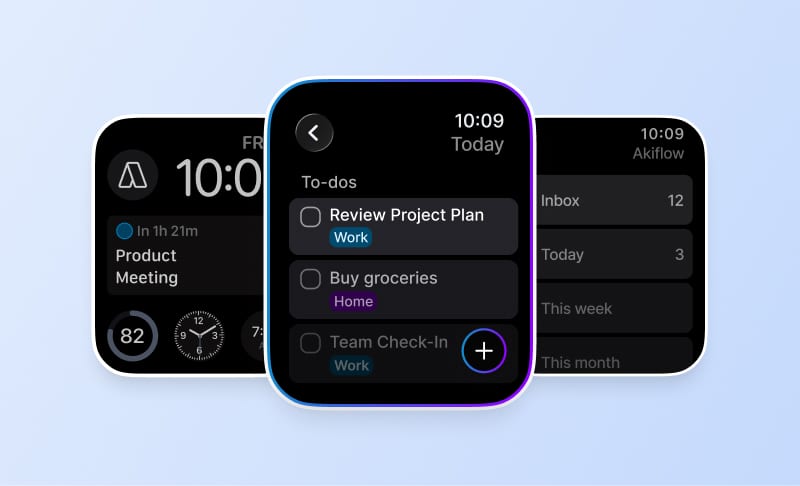
Utilizing Producitvity Tools: Using productivity tools such as Akiflow lets you slow down by planning your entire day. Having a to-do list or a tasklist helps you focus on individual tasks one by one as you go through your day.
Slow Down Your Mind: Techniques like daily journaling or engaging in activities like running or taking a cold shower can help in switching gears mentally. These activities provide a break from incessant thoughts and help in refocusing.
Manage Workload and Time: At work, manage your workload by allocating specific timeframes to tasks and making checklists for common errors. This approach helps in slowing down and ensuring quality in your work. Remembering to take breaks and re-evaluating tasks with fresh eyes can also be beneficial. Akiflow can be utilized for the same.
Simplify Your To-Do List: Reducing the number of tasks on your to-do list can help in focusing on what’s truly important and necessary, contributing to a slower and more mindful approach to daily activities
Engage in Outdoor Activities: Consider a short walk or time outdoors as a break from your usual work setting. Simple Lionheart Life offers ideas for slowing down; treat these as lifestyle suggestions, not evidence of medical benefits.
Technology Boundaries: Turning off your phone for certain periods or silencing notifications can aid in slowing down. It’s important to set boundaries with technology to ensure it adds value to life rather than becoming a distraction.
Start Your Day Intentionally Slower: Beginning your day slower and with more intention can set a positive tone for the rest of the day. This might involve waking up earlier to include enjoyable and calming activities in your morning routine.
Slowing Down With Akiflow

An easy way to slow down based on the points above is by utilizing Akiflow to its extent. Through Akiflow, you can allocate specific tasks to a time-frame, which can help you focus on a single task, helping you slow down and tackle things one at a time. Let’s explore the benefits of using Akiflow.
Centralized Task Management: By centralizing tasks and schedules in one place, Akiflow reduces the mental load of keeping track of multiple platforms and tools. This simplification can help in reducing stress and feelings of overwhelm.
Time Blocking: Akiflow supports time blocking, a method where specific blocks of time are allocated to particular tasks or activities. Time blocking can encourage a more focused and deliberate approach to work, preventing over-scheduling and rush.
Streamlining Workflow: With features that streamline workflow, such as easy integration with other tools, Akiflow can reduce the need for rapid task-switching, allowing for a more measured work pace.
Prioritization and Focus: Akiflow helps in prioritizing tasks, allowing users to focus on what’s most important. This focus can lead to a more effective workday, reducing the need to rush through tasks.
Reduced Distractions: By providing a clear overview of tasks and schedules, Akiflow can help reduce distractions, encouraging users to concentrate on one task at a time, which is a key aspect of slowing down and working more mindfully.
Overall, Akiflow can be a valuable tool in adopting a slower, more intentional approach to work and productivity, enhancing both efficiency and well-being. Akiflow also offers many other features that are helpful in streamlining your day.
With the help of Akiflow, one can slow down their pace and reap the benefits of a productivity boost. With features like time-blocking, focus mode, and time-boxing, one can do their tasks or events individually one at a time.
Conclusion
In conclusion, the Paradox of Pace reveals a compelling truth: embracing a slower, more deliberate approach in our lives and work can lead to greater productivity, creativity, and overall well-being. This counterintuitive concept challenges the traditional emphasis on speed, highlighting the benefits of mindfulness, thoughtful decision-making, and prioritizing quality over rapidity.
By implementing strategies such as intentional pauses, mindfulness practices, technology boundaries, and focused task management (with tools like Akiflow), individuals and organizations can achieve a more sustainable and effective pace. Ultimately, slowing down not only enhances our work but also enriches our lives, allowing us to savor experiences and engage more deeply with the world around us.
Frequently Asked Questions
Does slowing down mean doing every task more slowly?
The useful distinction is between rushing automatically and choosing how to proceed. A pause gives you a chance to notice what needs attention and reconsider the next activity. The approach challenges the assumption that faster is always better; it does not establish that a slower pace is best for every task.
How can you simplify an overloaded day?
Reduce the number of tasks on the list so you can focus on what is important and necessary. Allocate specific timeframes to the remaining work and approach tasks individually. This makes the recommendation concrete: reconsider the workload itself, rather than merely trying to move through the same long list at a different speed.
Where do pauses fit into checking work?
Use checklists for common errors and allow a break before looking at work again with fresh eyes. Specific timeframes can also give individual tasks a clearer place in the day. The emphasis is on creating opportunities for review and reconsideration, not on treating a pause as a guarantee of error-free results.
What technology boundaries support a more deliberate pace?
Silence notifications or turn off your phone for selected periods so technology does not continually determine where your attention goes. Use a pause to consider what actually needs your attention next. These boundaries are intended to keep technology useful while making room for deliberate choices about work and other commitments.
How does the slower-growth example apply to a startup?
A founder might choose a smaller team and a narrower product scope instead of committing immediately to rapid expansion. The example connects pace with the amount of spending and delivery work the business must manage. It presents a choice about scope and growth, not a promise that slower expansion will succeed.